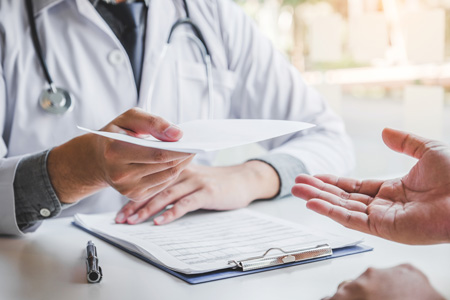
What is osteoporosis? Osteoporosis is known as the silent disease. In this disease, which affects most women, it has earned the nickname of silent because it gradually invades the skeleton without any warning signs until suddenly and always at a ripe age, a bone cracks unexpectedly and breaks in serious places, such as the hip or spine. Osteoporosis is a disease in which bones become more porous and therefore, more fragile.
Keep in mind that bones are made up of matter that begins to be lost (lose density and gradually becomes more spongy) in your 30s. As a result, bones become fragile and brittle, have a lower resistance to loads and bruises and run the risk of breaking more easily.
From birth to age 30-35, bone mass increases in our bodies (this is higher in individuals with a diet rich in milk and dairy products, i.e., rich in calcium). But after the age of 30-35, there is a natural loss of bone mass that is usually very slow (around 0.5% per year) and lasts for the rest of life. When menopause arrives and ovaries cease to produce hormones, women may suffer a faster loss of bone mass and osteoporosis appears.
In women with accelerated losses, osteoporosis appears if their bone mass is small. Osteoporosis is less frequent in women who had a calcium-rich diet during their childhood and youth and if these women take calcium supplements with vitamin D, the losses are replaced and a high percentage of them do not develop the dreaded osteoporosis.
Therefore, the first step in preventing osteoporosis is to have a calcium-rich diet from childhood on. But when the body begins to lose bone mass, calcium plays a critical role, especially in women.
Women who do not like milk or do not tolerate it well, in most cases those with a very low intake - e.g., 1 glass of milk a day when 3 glasses of milk a day is the minimum - calcium supplements with vitamin D helps provide the calcium that diet alone that does not provide.
Exercising also helps maintain bone.
An estimated 1 in 3 women and 1 in 12 men over 50 have osteoporosis. And this is responsible for millions of hip, wrist or vertebra fractures each year.
What are the causes?
Women, especially those with a family history of osteoporosis, have an increased risk of osteoporosis when they other risk factors are present, such as:
Symptoms
Osteoporosis has no symptoms in the early stages of the disease, but in later stages the following appear:
How does one know whether or not one has osteoporosis?
A doctor will always be the one who decides whether a test is needed for diagnosis. A bone mineral density exam, specifically a densitometry or dual energy X-ray absorptiometry (DEXA), measures the amount of bone.
Prevention
Calcium is essential for the formation and maintenance of healthy bones. Vitamin D is also needed, because it helps the body absorb calcium. Eating a healthy, balanced diet can help you obtain these and other important nutrients throughout life. Other prevention tips include:
Physical exercise
Regular exercise can reduce the likelihood of bone fractures associated with osteoporosis. Some of the recommended exercises are:
Avoiding any exercise that entails a risk of falling.
Diet
Consume at least 1,200 milligrams of calcium a day and 800 to 1,000 international units of vitamin D. Vitamin D helps the absorption of calcium. Your doctor may recommend a supplement to supply the calcium and vitamin D that is needed. Eat a diet that provides adequate amounts of calcium, vitamin D and protein. Although this does not completely stop bone loss, it will ensure the availability of the supply of material that the body uses to form and maintain bones. Calcium-rich foods are:
Treatments
The goals of treatment for osteoporosis include:
There are several types of treatments for osteoporosis, including a variety of medications.
Preventing falls is crucial. Avoid sedating medications and remove household hazards to reduce the risk of fractures. Make sure your vision is good. Other ways to prevent falls include:
Keep in mind that bones are made up of matter that begins to be lost (lose density and gradually becomes more spongy) in your 30s. As a result, bones become fragile and brittle, have a lower resistance to loads and bruises and run the risk of breaking more easily.
From birth to age 30-35, bone mass increases in our bodies (this is higher in individuals with a diet rich in milk and dairy products, i.e., rich in calcium). But after the age of 30-35, there is a natural loss of bone mass that is usually very slow (around 0.5% per year) and lasts for the rest of life. When menopause arrives and ovaries cease to produce hormones, women may suffer a faster loss of bone mass and osteoporosis appears.
In women with accelerated losses, osteoporosis appears if their bone mass is small. Osteoporosis is less frequent in women who had a calcium-rich diet during their childhood and youth and if these women take calcium supplements with vitamin D, the losses are replaced and a high percentage of them do not develop the dreaded osteoporosis.
Therefore, the first step in preventing osteoporosis is to have a calcium-rich diet from childhood on. But when the body begins to lose bone mass, calcium plays a critical role, especially in women.
Women who do not like milk or do not tolerate it well, in most cases those with a very low intake - e.g., 1 glass of milk a day when 3 glasses of milk a day is the minimum - calcium supplements with vitamin D helps provide the calcium that diet alone that does not provide.
Exercising also helps maintain bone.
An estimated 1 in 3 women and 1 in 12 men over 50 have osteoporosis. And this is responsible for millions of hip, wrist or vertebra fractures each year.
What are the causes?
•
•
•
•
•
•
•
•
•
•
•
•
•
Decreased oestrogen levels
Staying in bed for a long period of time
Cushing Syndrome
Excess corticosteroid levels due to the ongoing use of medications for asthma, some forms of arthritis or skin diseases and COPD
Hyperthyroidism
Hyperparathyroidism
Rheumatoid arthritis and other inflammatory conditions
Staying in bed for a long period of time
Cushing Syndrome
Excess corticosteroid levels due to the ongoing use of medications for asthma, some forms of arthritis or skin diseases and COPD
Hyperthyroidism
Hyperparathyroidism
Rheumatoid arthritis and other inflammatory conditions
Women, especially those with a family history of osteoporosis, have an increased risk of osteoporosis when they other risk factors are present, such as:
•
•
•
•
•
•
•
•
•
•
•
•
•
•
•
No menstrual periods
Drinking large amounts of alcohol
Early menopause
Eating disorders
Low body weight
Smoking
Too little calcium in the diet
Use of certain medications such as steroids and anticonvulsants
Drinking large amounts of alcohol
Early menopause
Eating disorders
Low body weight
Smoking
Too little calcium in the diet
Use of certain medications such as steroids and anticonvulsants
Symptoms
Osteoporosis has no symptoms in the early stages of the disease, but in later stages the following appear:
•
•
•
•
•
•
•
•
•
•
•
Bone pain or tenderness
Fractures with little or no trauma
Loss of height over time
Low back pain due to fractures of the bones in the spine
Neck pain due to fractures of the bones in the spine
Stooped posture
Fractures with little or no trauma
Loss of height over time
Low back pain due to fractures of the bones in the spine
Neck pain due to fractures of the bones in the spine
Stooped posture
A doctor will always be the one who decides whether a test is needed for diagnosis. A bone mineral density exam, specifically a densitometry or dual energy X-ray absorptiometry (DEXA), measures the amount of bone.
Prevention
Calcium is essential for the formation and maintenance of healthy bones. Vitamin D is also needed, because it helps the body absorb calcium. Eating a healthy, balanced diet can help you obtain these and other important nutrients throughout life. Other prevention tips include:
•
•
•
•
•
Avoiding excess alcohol consumption
No smoking
Regular exercise
No smoking
Regular exercise
Physical exercise
Regular exercise can reduce the likelihood of bone fractures associated with osteoporosis. Some of the recommended exercises are:
•
•
•
•
•
•
•
•
•
•
•
•
•
Weight bearing exercises: walking, jogging, tennis, dancing
Resistance exercise: free weights, weight machines, rubber bands for stretching
Balance Exercises: Tai Chi, Yoga
Exercise bicycles
Using rowing machines
Walking
Jogging
Resistance exercise: free weights, weight machines, rubber bands for stretching
Balance Exercises: Tai Chi, Yoga
Exercise bicycles
Using rowing machines
Walking
Jogging
Avoiding any exercise that entails a risk of falling.
Diet
Consume at least 1,200 milligrams of calcium a day and 800 to 1,000 international units of vitamin D. Vitamin D helps the absorption of calcium. Your doctor may recommend a supplement to supply the calcium and vitamin D that is needed. Eat a diet that provides adequate amounts of calcium, vitamin D and protein. Although this does not completely stop bone loss, it will ensure the availability of the supply of material that the body uses to form and maintain bones. Calcium-rich foods are:
•
•
•
•
•
•
•
•
•
•
•
•
•
•
•
Cheese
Ice cream
Leafy green vegetables such as spinach and kale
Low fat milk
Salmon
Sardines (with bones)
Tofu
Yogurt
Ice cream
Leafy green vegetables such as spinach and kale
Low fat milk
Salmon
Sardines (with bones)
Tofu
Yogurt
Treatments
The goals of treatment for osteoporosis include:
•
•
•
•
•
•
•
Controlling the pain associated with disease
Slowing down or stopping the process of bone loss
Preventing fractures with medicines that strengthen bone
Minimising the risk of falls that could cause fractures
Slowing down or stopping the process of bone loss
Preventing fractures with medicines that strengthen bone
Minimising the risk of falls that could cause fractures
There are several types of treatments for osteoporosis, including a variety of medications.
•
•
•
•
•
•
•
•
•
•
•
•
•
•
•
Calcium plus vitamin D3
Bisphosphonates
Calcitonin
Hormone replacement therapy
Parathyroid hormone
Raloxifene
Exercise
Fall Prevention
Bisphosphonates
Calcitonin
Hormone replacement therapy
Parathyroid hormone
Raloxifene
Exercise
Fall Prevention
Preventing falls is crucial. Avoid sedating medications and remove household hazards to reduce the risk of fractures. Make sure your vision is good. Other ways to prevent falls include:
•
•
•
•
•
Avoiding walking alone on days when snow is falling
Using bars in the bathroom when needed
Wearing properly fitting shoes
Using bars in the bathroom when needed
Wearing properly fitting shoes